

Why I Don’t Believe in Borrowing to the Max? (and Why Paying Off Your Home Still Matters)
Recently I got a perfectly understandable question on social media. Actually, it was in two parts:
- Why wouldn’t you borrow as much as the bank will let you?
- Why would you even bother paying off your own home?
I get why someone would ask this. Around 80% of the marketing you see on social media in the finance space is from businesses promoting the purchase of investment properties. And surprise, surprise the people saying this are usually in the business of selling property. That’s a built-in conflict of interest.
A common message in their marketing is:
- Don’t pay down your home loan.
- Don’t make extra repayments.
- Use any spare cash (or your home equity) to buy investment properties.
And to sell that idea, they lean on the belief based on many people’s experiences, but not a universal truth, that Australian property prices always go up.
Any seasoned investor knows no asset goes up forever. And if its value has been driven higher by ever-increasing debt, the risks are even bigger.
Why Not Borrow as Much as the Bank Will Give You?
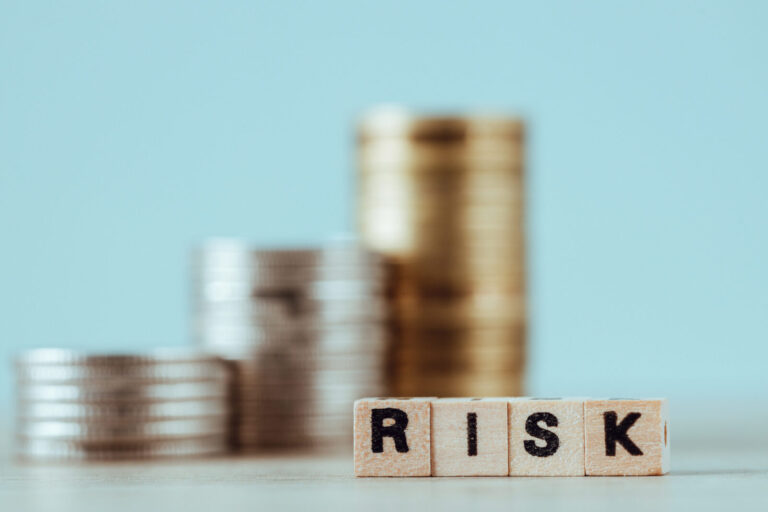
Investment risk
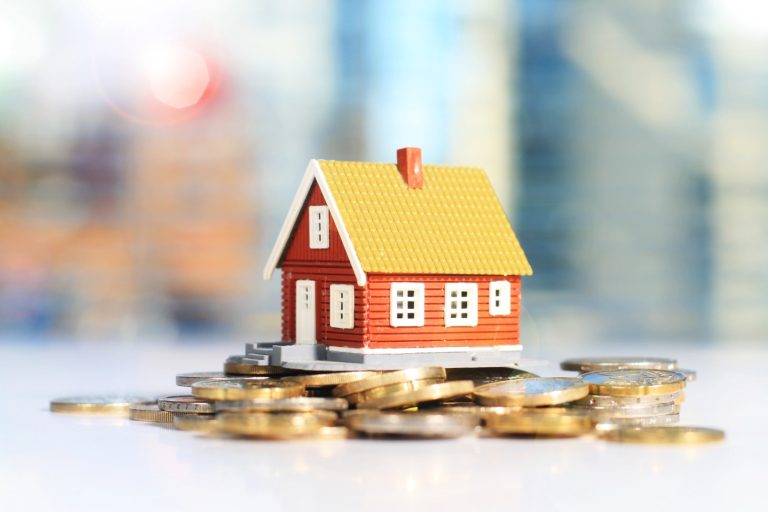
The pitch is nearly always about borrowing to buy investment property. Yes, property can go up, but it can also go down. Prices have risen strongly in the past 25 years, especially post-COVID. That makes the risk of a correction even greater.
Lack of diversification
Two properties in different cities? Still the same asset class, driven by the same factors. That’s putting all your eggs in one very expensive basket.
Cash flow pressure
Big debt means big repayments. Which means less room for fun, family, and lifestyle today.
Why Care About Paying Off Your Home?
Reducing debt = freedom
A paid-off home frees up cash flow and removes a huge financial burden. It gives your future self, flexibility in retirement when working might no longer be an option.
More choices today and tomorrow
When I’ve helped clients get debt-free, we often make a deal:
- Some of the freed-up money gets spent on experiences now — creating memories while you’re healthy and able.
- The rest gets invested for the future, often through superannuation to maximise tax savings.
For example, if someone was paying $55,000 a year into their mortgage:
- $20,000 might go towards holidays, hobbies, or time with family.
- $35,000 could go into super, grossed up to a pre-tax amount, building wealth in a tax-effective way.
The Risk of “Lazy Equity” Thinking
I’ve heard people call equity in your home “lazy”, something you should put to work by buying more properties. But here’s the reality:
When people or businesses go bankrupt, it’s almost always because of too much debt. That’s not an opinion, it’s a pattern I’ve seen repeatedly.
Debt can be a brilliant tool to accelerate your wealth, but only if it’s managed in balance with your cash flow, lifestyle, and risk tolerance. When you overdo it, that balance disappears fast.
Final Thought
Some people call this attitude “conservative.” I call it common sense. Life isn’t just about maximising your net worth; it’s about enjoying the journey along the way. If maxing out debt jeopardises that, it’s not worth it.
The information provided in this article is general in nature only and does not constitute personal financial advice.