
A Smarter Way to Respond to Super Volatility
When markets get bumpy or household budgets feel tighter, it’s common for people to start questioning their super. If your balance has dipped or returns haven’t met expectations, you might…
When most people think about financial advice, they picture investments, superannuation, or maybe insurance. But the true value of advice isn’t just about the numbers, it’s about what those numbers allow you to do in your life.
Money is one of the most common sources of stress in relationships. Whether it is with a partner, family member, or even a business partner, the way we think about and manage money can have a big impact on how we relate to each other.
Many Australians find themselves in what is called the “sandwich generation.” This is the stage of life where you may still be supporting children while also stepping in to care for ageing parents. It can feel like you are being pulled in two directions, both emotionally and financially.
As you progress towards retirement age, the idea of reducing your working hours can be appealing, especially if you can do it without reducing your income. Fortunately, there is a way to do this. It’s called a Transition to Retirement Income Stream (TTRIS), which allows you to supplement your part-time income with regular payments from your superannuation savings.
Life does not always go to plan. Illness, job loss, accidents, or unexpected expenses can arrive without warning. While we cannot prevent these events, we can prepare for them. Having the right protections in place provides peace of mind and ensures your family is supported when life takes a turn.
Over the last few years, I’ve taken on the management of many self-managed superannuation funds (SMSFs), and in doing so, I’ve encountered a particular investment type that often causes significant…
When we think about health, we often picture diet, exercise, or regular check-ups. What we do not always think about is money. Yet financial wellbeing and overall wellbeing are closely linked.
The idea of downsizing can be very appealing to empty-nesters. There will be less cleaning, gardening and maintenance, more time for hobbies and travel, and the icing on the cake comes if you can use the cash surplus you created to give your super a significant tax-effective boost.
But is the picture totally rosy, or are there some drawbacks to downsizing?
It is natural to want to enjoy the rewards of hard work. A new job, a pay rise, or a bonus can make it tempting to upgrade your car, move to a bigger house, or start spending more on dining and holidays. This is called lifestyle creep, and while it feels good in the short term, it can quietly slow down your long-term financial goals.
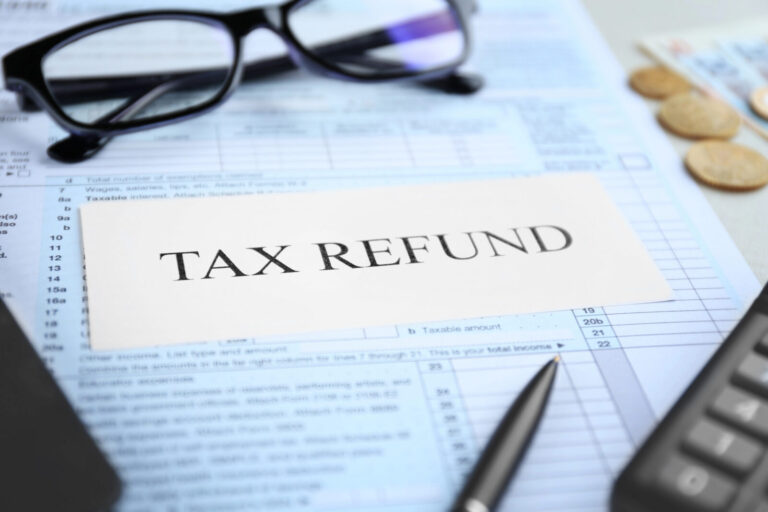
You may be one of many Australians who make an interest-free loan to the federal government every year. That’s because, when you receive a tax refund, you’re not getting free money. All that’s happening is that cash which is rightfully yours is being returned, somewhat late. So it makes sense to make it work as hard as possible once it’s back in your hands.
When you have a spare $500 and are wondering whether to spend it or save it, why not consider a third option?
Invest it. Make a commitment to your financial future, instead of wasting it on purchases that will deliver only temporary pleasure.
Invest that $500 and watch it grow. Here’s how.
Brie is a 30 year old who, like about 7% of working Australians, has two jobs: her main job is as a learning support assistant at a primary school, where she works about 30 hours a week, and she also works one night a week as a disability support provider. Brie earns $1,760 a week from her main job, and $600 a week from her second job, totalling $2,360 a week.
A client once shared a poignant regret:
“When I was working and the kids were young, I saved too much. It restricted what we did when the family was together.”
This simple reflection struck a chord with me. It got me thinking about the delicate balance between saving for the future and living fully in the present. While we all know the importance of financial security, is it possible to save too much—at the expense of the moments that matter most?
When people think about investing, they often focus on the numbers: analysing balance sheets, forecasting earnings growth, understanding sectors, and evaluating dividend yields and price-to-earnings ratios. While these elements are…
When I run retirement projections for clients, one thing I do differently is stop the projections in the early to mid-80s—despite knowing there’s a high probability that one partner in…
Financial advisor Robert Goudie has warned Aussies about the extra costs involved in owning a home and that renting isn’t always dead money. You might have heard the phrase that renting…
The Australian economy is still growing, but things are moving slower than usual, and the Reserve Bank of Australia (RBA) is being cautious with any changes to interest rates. They’re…
FORO – the fear of running out. I’d never heard the expression until I met Mark and Susan. Of course I’d heard of FOMO, the fear of missing out, but…
There’s no shortage of financial advice out there. Everywhere you look—social media, news articles, investment forums—you’re bombarded with strategies, opinions, and predictions. And honestly? A lot of the information is…
In a recent media release, the Australian Securities and Investments Commission (ASIC) warned about a new scam doing the rounds. Scammers attempt, through cold calls to superannuation savers, to extract…
Adjusting to life after divorce, particularly later in life, is akin to navigating through some of life’s most challenging events, psychologists say. It’s a journey comparable to coping with loss,…
In his 2024 Federal Budget speech, treasurer, Jim Chalmers, announced that ‘The number one priority of this government and this Budget is helping Australians with the cost of living’. But…
End of content
End of content