

Mistakes new investors should avoid
You’re young, expecting a satisfying future brimming with friends, family and a comfortable lifestyle.
You’re a Next Generation Investor, likely aged between 18 and 25, and you’re starting to think about financial security.
According to an Australian Stock Exchange study, nearly a quarter of all investors over the past two years were Next Generation Investors. Additionally, some 27% of surveyed people under age 25 intend to invest over the next year.
The excitement of embarking on a journey toward financial freedom is common, as is confusion, after all, in the rush of enthusiasm, how can you ensure you get the decisions made for the future, right today? What are the rookie mistakes to watch out for? Here are a few that can be easily avoided.
Not clearing debt first
Loans and credit cards have a knack for eating away income. It is recommended that you clear as much debt as possible before committing to serious investments. Track your spending to spot potential savings, then channel that cash towards your debts. Every little bit helps.
No strategy
Desire to build wealth through investment is not a strategy. The end game determines which investments will be most suitable. Consider how you feel about risk and whether you’ll need access to your money. Successful investment strategies are planned.
If it feels overwhelming, seek professional advice to help you build your strategy. You’ll be surprised at how inexpensive a financial adviser can be.
Not diversifying
Generally speaking, the higher the potential return, the higher the potential risk. Market-linked investments, like shares, can be big-earners, but you’ll have to ride economic ups-and-downs to get there – sometimes for ten years or more.
If this worries you, consider lower-risk investments. Conservative in nature, their returns are generally lower.
Decide how much risk you’re comfortable with. You may be better off minimising exposure to high-risk assets by diversifying your portfolio with a variety of investment types.
Trying to predict the market
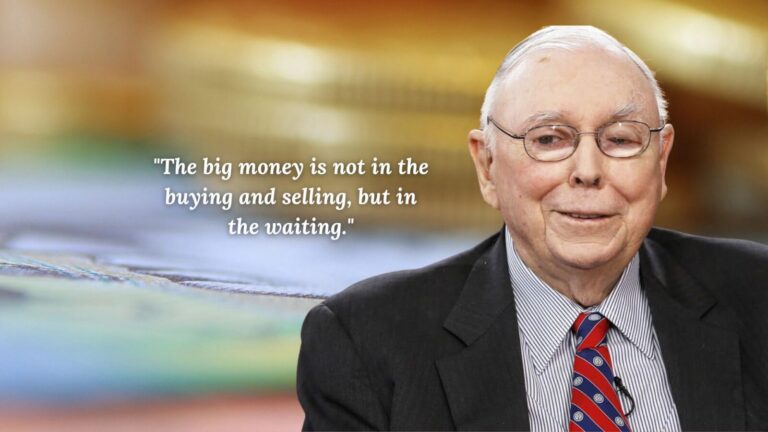
Investment markets are notoriously unpredictable. Buying shares at the wrong time can mean you pay more than you should, similarly, selling at the wrong time can result in losses.
Short-term buying and selling might seem exciting, but it’s a fast-track to losing money. The way around this is, research, diversification and being prepared to stay the distance.
Review
No investment is a set-and-forget scheme. Always keep track of your savings and your ongoing investment plan, ensuring that it continues to align with your goals, particularly as they change over time.
A new car may be your priority today but fast-forward a couple of years and perhaps marriage and children are your priorities.
As your goals change, so must your investment strategy.
A few other things…
Fees and taxes are unavoidable and various investments attract different expenses and tax structures. Find out what you’re up for before making financial decisions.
Feeling lost? The Australian Stock Exchange offers free online courses and the Government’s MoneySmart website has a free info Starter Pack to get you underway.
Of course, nothing beats professional advice tailored to your needs. The Financial Planning Association of Australia will put you in touch with a qualified adviser suitable for you.
Strategic investing sets you up financially and helps create a savings habit for life. Your financial future begins today.
The information provided in this article is general in nature only and does not constitute personal financial advice.