
Understanding Short-Term Market Volatility: Causes and Solutions
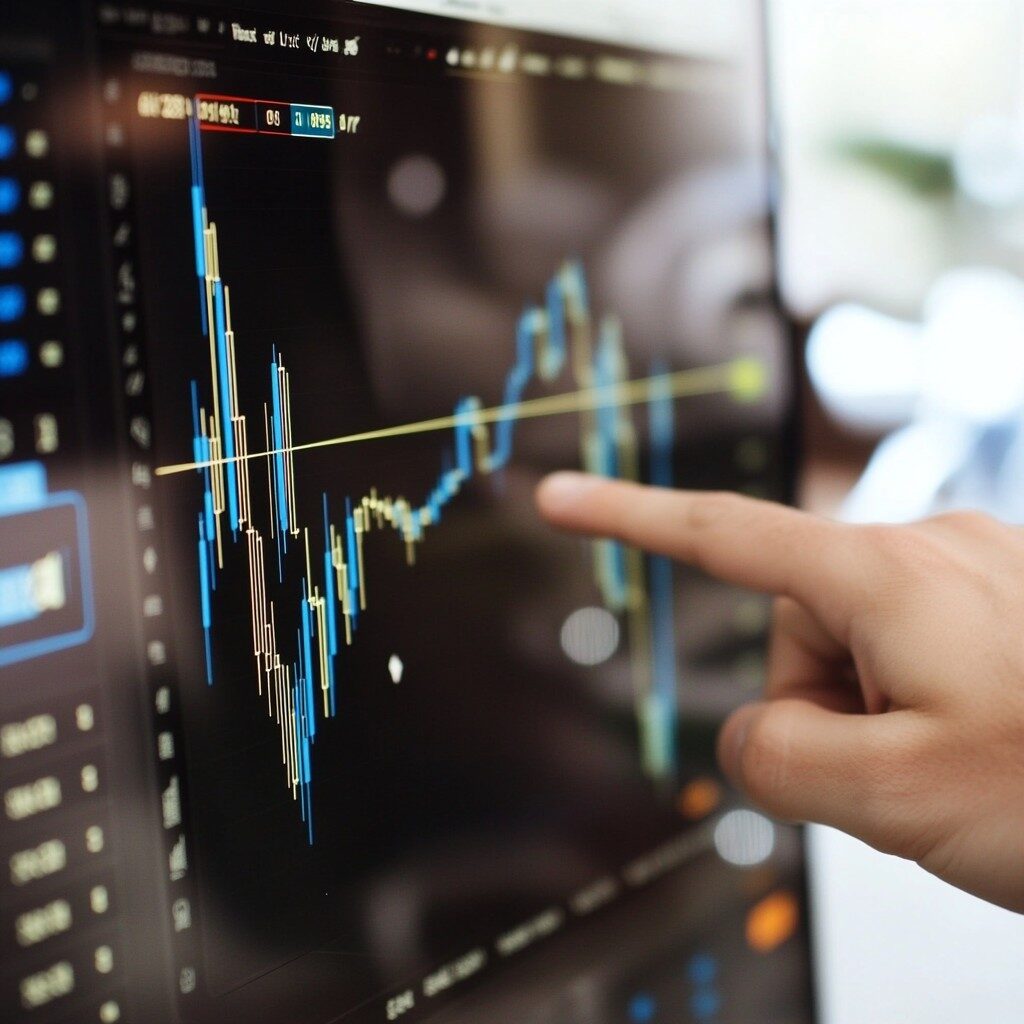
Volatility is part and parcel of investing in share markets. It’s what makes them exciting when prices are climbing but equally nerve-wracking when they swing downward. As much as we’d all prefer the straight-line trajectory of steady growth, markets rarely behave that way.
Over my 26 years as a financial adviser, I’ve seen firsthand how short-term market volatility can unsettle investors—especially during bear markets, where the overall trend is downward. But understanding what causes these fluctuations and having strategies to manage their emotional impact can make all the difference.
What Causes Market Volatility?
Volatility, particularly on the downside, often sparks anxiety among investors. But what drives these sharp movements in the first place?
- Liquidity:
Share markets are highly liquid, meaning assets can be bought or sold at the click of a button. While this is a tremendous advantage, it also allows fear and greed to be baked into market prices almost instantaneously.
- Human Behaviour:
Markets are driven by emotion—fear when bad news dominates, and greed during times of optimism. This emotional cycle amplifies volatility as investors react to the latest headlines, regardless of the underlying fundamentals.
- Global Events:
Wars, natural disasters, political instability, or economic uncertainty can all trigger volatility. These events create short-term noise, often overshadowing the long-term potential of strong businesses.
Why Volatility Isn’t the Enemy
While volatility can feel unsettling, it’s essential to remember that it works both ways—on the downside and the upside. However, for most investors, the downside is what keeps them up at night.
On average, global share markets have historically delivered returns of 10-11% per year. But these returns don’t arrive neatly in equal instalments. Instead, they come as a mix of positive and negative years: +20%, -5%, +2%, -10%, and so on. It’s all part of the ride.
Three Solutions for Managing Volatility
When a client recently asked how to reduce volatility in their portfolio, I suggested three approaches—two traditional and one a little cheeky but effective.
- Move to Defensive Assets:
Shifting to term deposits or annuities is one way to smooth out the ride. While these options provide stability, they come at a cost: significantly lower returns over the long term. For those who can’t tolerate market ebbs and flows, this might be a reasonable trade-off.
- Focus on the Long-Term Average:
Education is key. Helping clients understand that long-term averages outweigh short-term fluctuations is essential. Market corrections and bear markets are inevitable, but they don’t define the overall trajectory.
- Stop Checking Your Portfolio Daily:
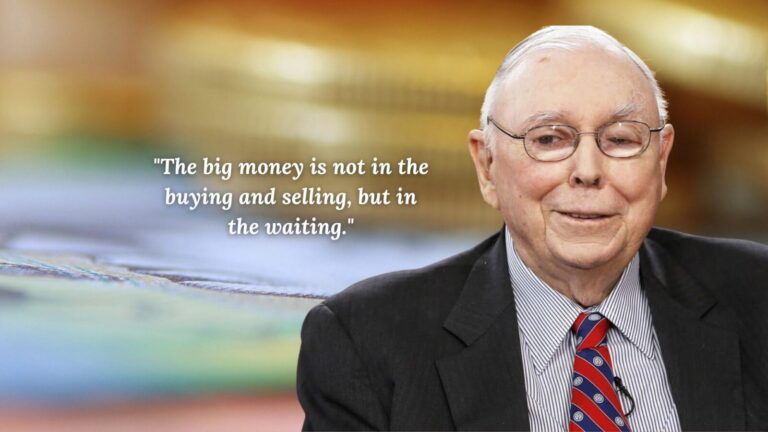
My cheekiest suggestion—yet often the most impactful—is to stop looking at your portfolio every day. Constantly checking prices isn’t investing; it’s cheerleading. Share prices will rise and fall daily due to liquidity and sentiment. Long-term success comes from owning quality businesses and trusting the process.
The Bigger Picture
It’s easy to let short-term noise cloud your judgment. But remember, the long term isn’t dictated by global calamities or headline news. Instead, it’s driven by the hardworking, intelligent people within businesses, improving products and services over years and decades.
This is the foundation of long-term value creation. Sales grow, revenues increase, and profitability follows—ultimately driving up share prices and business value. For investors, this is the steady hand amid the storm of short-term volatility.
Final Thoughts
Volatility may feel like the enemy, but it’s simply the nature of share markets. By understanding its causes and focusing on long-term potential, you can weather the ups and downs with confidence. If you find yourself unsettled, remember: the short term will always be noisy, but the long term rewards patience and discipline.
As always, this is general advice only. If you’re looking to invest, I highly recommend seeking guidance from a qualified financial adviser.
The information provided in this article is general in nature only and does not constitute personal financial advice.