

Shares are more than numbers
[fsn_row][fsn_column width=”12″][fsn_text]
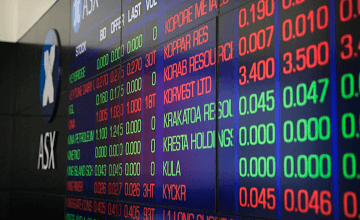
Whether it’s by direct purchase, via a managed fund or through superannuation, most Australians hold some form of share investment. Many of us are aware that if the numbers in the finance report on the evening news are mostly green that’s good and if they’re red that’s bad, but beyond that we give little thought to what shares are and why we should take an interest in them.
What’s a share?
When you buy shares, you aren’t just buying a piece of paper or a digital entry on an electronic register. You are actually buying a physical part of a company. It might be a tiny fraction of the total value, but it still provides you with certain rights and responsibilities, including the opportunity to participate in the direction of the company. Shares are real assets and depending on the size and stability of the company, you can even borrow against them.
The benefits
For most people, the most important aspect to share ownership is being able to share in the profits and growth of the company. For ordinary shares, a portion of the profit is usually paid out via twice-yearly dividends. Some profits may be retained to fund the growth of the company, and this should be reflected in an increase in share price over time. These capital gains can be realised by selling the shares. The downside is that, if the company does poorly, investors may see a fall in the value of their shares.
Getting involved
Beyond receiving dividends and (hopefully) watching the share price increase, many investors take little interest in their shares. But shareholders also enjoy the right to have a say in the running of the business, by voting for or against the appointment of specific directors and on resolutions at the Annual General Meeting. One share equals one vote, so large institutional investors such as superannuation funds usually have the greatest say, but even small investors can turn up at the AGM and potentially ask questions of the board. And groups of shareholders may get together to influence a company’s direction on a range of business or governance issues.
Buying shares in up and coming companies is also a way of putting one’s money where one’s values and interests are, for example in renewable energy, recycling, medical technologies, batteries or emerging markets.
The rewards of investing in shares can be enormous, and they’re not just financial. There’s real pride to be gained from looking at a company that has achieved great things and to know that you’ve played a part in its success.
However, there is a financial risk associated with owning shares, so if you want to treat your share portfolio as more than just numbers on a screen, speak to us.
The information provided in this article is general in nature only and does not constitute personal financial advice.
[/fsn_text][/fsn_column][/fsn_row]