
Quarterly Economic Update: April to June 2026
It was a quarter of two halves. Overseas, the US and Iran agreed to end their war, sending oil prices tumbling and sharemarkets rallying. At home, households copped another rate rise before the RBA hit pause, and the Federal Budget rewrote the rules for property investors.
Peace in the Middle East — Oil Falls and Markets Rally
After more than three months of conflict, the US and Iran agreed on 14 June to end the fighting and reopen the Strait of Hormuz, which normally carries about one-fifth of the world’s oil. Prices had already been easing as hopes of a deal grew — Brent crude fell to around US$83 a barrel, down from its March peak of US$126, and by late June US crude was below US$70 as ships began moving again. A big relief for motorists, and for inflation.
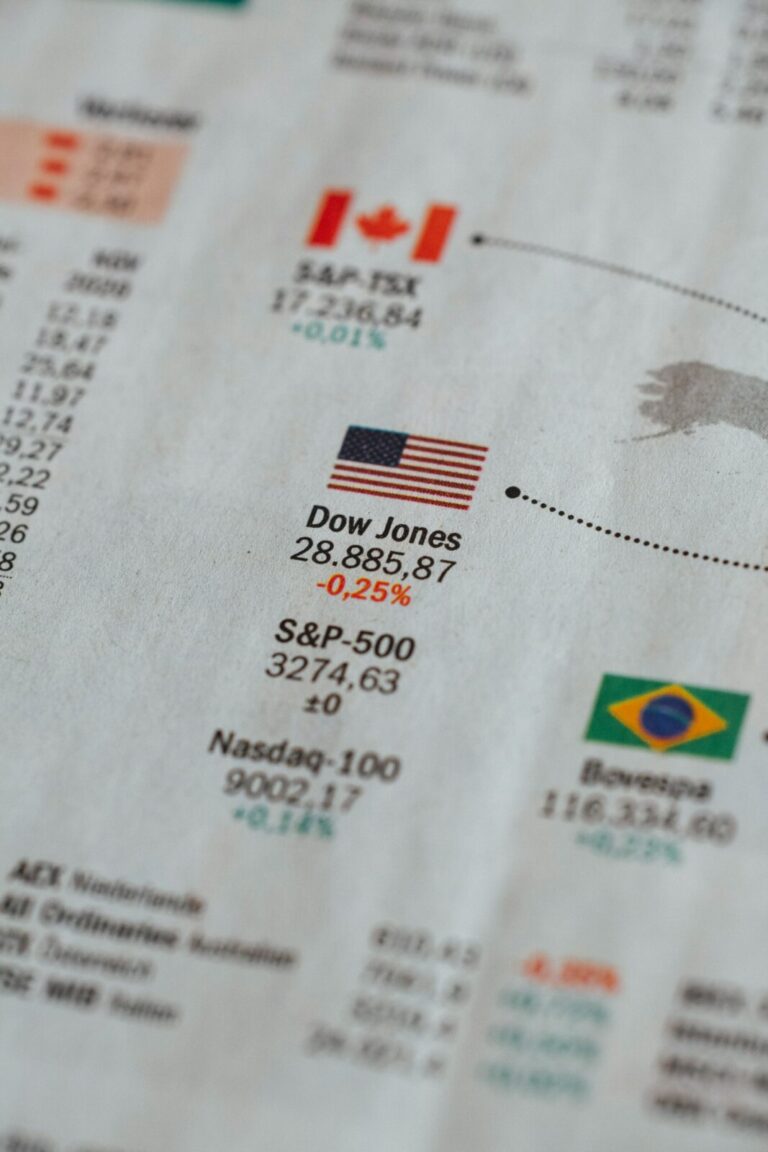
Sharemarkets jumped, with the Dow and Japan’s Nikkei closing at record highs — though petrol prices will take a while longer to fall as shipping returns to normal.
Interest Rates: Borrowers starting to feel the pain
The RBA raised the cash rate to 4.35% in May — the third rise in a row — after March quarter inflation came in at a higher-than-expected 4.6%. The three rises have added roughly $225 a month to repayments on a typical $500,000 mortgage.
June brought some relief, with the Board keeping rates on hold to see how the earlier rises and the oil shock play out. With the war over and fuel prices falling, there’s a reasonable chance the rises are done — although the RBA hasn’t ruled out another move.
Big Changes for Property Investors
The 12 May Federal Budget delivered the biggest change to property investment taxes in a generation — and it’s already law. From 1 July 2027, negative gearing will only be available on new builds. If you buy an established investment property after 12 May 2026, you can no longer claim rental losses against your salary — only against the rental income or future property gains.
If you already owned a property (or had one under contract) before Budget night, nothing changes — you fall under the old rules until you sell. The 50% capital gains tax discount is also being replaced by inflation indexation and a minimum 30% tax, but only on gains made after 1 July 2027. Investments purchased pre-1985 will also be subject to tax on any growth after 1 July 2027. Luckily, the family home is not affected – and gains remain tax-free.
So what happens now? New builds suddenly look far more attractive, keeping both negative gearing and the 50% CGT discount, while established properties lose some of their shine as investments in personal names. And because existing owners keep their benefits until they sell, many may hold on longer — meaning fewer properties coming up for sale. If you own an investment property or plan to buy one, it’s worth revisiting your strategy with your adviser.
Gold Comes Back to Earth
After an incredible run, gold fell sharply — from a January peak of US$5,589 to below US$4,000 by late June, its lowest since November 2025. This was likely driven by profit-taking and the rotation of investor sentiment into the safety of income returns from increasing bond yields. A stronger US dollar and the end of the war as well as talk of US rate rises all played a part.
The US Dollar Bounces Back
After its worst year since 2017, the US dollar staged a strong comeback, hitting a one-year high in late June as markets priced in possible US rate rises under new Fed chair Kevin Warsh, who hinted recently that rates could rise if inflation trended higher. That sentiment pushed the Aussie dollar below 70 cents — good for exporters, less so for overseas holidays.
Looking Ahead
Despite everything last quarter, the ASX 200 managed to close the financial year up around 3.5%, near 8,800 points.
The big questions now are whether the peace deal holds, whether cheaper oil brings inflation down, and whether the RBA has finished raising rates. For investors, the message remains the same — stay diversified, focus on quality assets and avoid reacting to headlines. If this quarter showed us anything, it’s how quickly things can change.
The information provided in this article is general in nature only and does not constitute personal financial advice.