

Quarterly Economic Update: January-March 2022
Robust domestic economic growth
Australia is rebounding from the pandemic, with domestic economic growth forecast to reach 3.5 per cent this financial year. Some analysts predict it might be even stronger, possibly reaching as high as 4 per cent.
Driven by Government spending
Much of this is due to the lingering impact of the Federal Government’s massive $343 billion health and economic pandemic support packages, as well as further spending in response to recent floods in New South Wales and Queensland. The Government is also spending some $18 billion on infrastructure, mostly rail and road improvements, in an attempt to boost productivity and efficiencies throughout the economy, particularly in the regions.
Tightening geo-political tensions in Asia and around the world has prompted the Government to earmark as much spending again on strategic defence measures, including a new naval submarine base on the east coast.
Spurred by higher commodity prices
The sudden, and largely unexpected, war in Ukraine has prompted a spike in oil prices as a shadow falls over the continued supply of Russian oil and gas to Western Europe. While prices will ease with the arrival of the Northern summer, they are expected to remain stubbornly high. The war, along with continued supply interruptions due to the pandemic’s lingering impact on world trade, means prices for key commodities such as iron ore, coal, and wheat will remain high for the foreseeable future.
For Australia, this is, on balance, good news, meaning the price we are paid for key exports will remain strong, driving both domestic profits and Government tax revenue higher.
Employment is exploding
In line with this strong level of economic growth, domestic unemployment is set to fall to 3.75 per cent in the coming months, its lowest level in some 50 years. Meanwhile, whole sectors, such as the aged care and child-minding sectors and a number of agricultural sectors, are reporting desperate staff shortages, prompting calls to lift migration levels and allow more temporary workers into the country.
Nonetheless, low wage growth continues to dog the economy. While the Government is forecasting quarterly wage growth of 3.25 per cent by the middle of next year, this is still below the expected inflation rate, meaning most Australians will face little relief from higher living costs. However, the continued strength of Government spending, combined with prevailing strong terms of trade, should boost profits across the board, leading to higher returns for investors.
Despite some clouds on the horizon
As always, there are clouds on the horizon. The United States was already facing inflationary pressures, and the impact of the Ukraine war on oil prices is likely to push the US inflation rate higher still, possibly touching 7.9 per cent this year. The US Federal Reserve has started to pull monetary policy back in with a series of interest rate hikes, fanning fears that the US economy may fall into recession later this year.
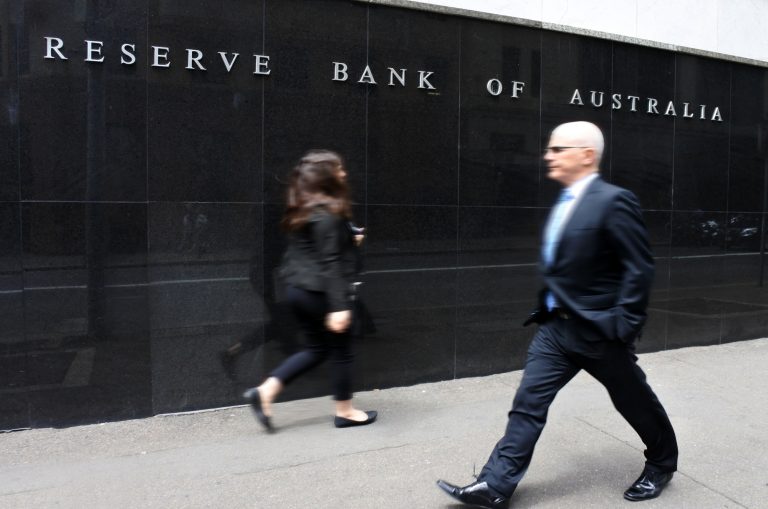
The US is not alone. The Australian Federal Treasury expects global trade bottlenecks (the war in Ukraine and higher oil and food prices) to prompt an uptick in the local inflation rate above the Reserve Bank’s preferred inflation band of 2.5 to 3 per cent. Rising inflation is, in turn, spurring fears of a domestic interest rate hike, with many analysts expecting the cash rate to increase by one full percentage point, which could cause home loan rates to rise across the country.
The information provided in this article is general in nature only and does not constitute personal financial advice.