

Quarterly Economic Update: January to March 2026
The first quarter of 2026 will be remembered as one of the most consequential in decades. A war erupted in the Middle East, the Strait of Hormuz closed, oil prices surged past US$100 per barrel, and inflation roared back to life. Central banks pivoted sharply from cutting rates to raising them. For Australian households, that has so far meant two consecutive rate hikes and a stark reminder that the cost of living battle is far from over.
Geopolitical Risk: The Iran War and Oil Crisis
On 28 February 2026, the United States and Israel launched Operation Epic Fury — coordinated airstrikes on Iran that resulted in the death of Supreme Leader Ali Khamenei. Iran responded with missile barrages on Israeli cities and US bases across the Gulf, escalating into a full-scale military conflict.
The most immediate economic impact came from Iran’s closure of the Strait of Hormuz, through which roughly 20% of global oil supply normally transits. Shipping traffic dropped to near zero, forcing Gulf producers including Iraq and Kuwait to curtail production. Oil prices surged from around US$60 per barrel to peak at US$126 in mid-March — the fastest spike since the 1970s. This has resulted in fuel prices surging – particularly the cost of diesel, a key driver of inflation.
Global governments coordinated a record 400 million barrel release from strategic petroleum reserves, Australia cut half of the government fuel excise for 3 months and the US temporarily lifted sanctions on Russian and Iranian oil to ease supply pressures. Despite these measures, energy analysts warn that unless the strait reopens by mid-April, the disruption could become the largest in global oil market history.
Interest Rates: Back-to-Back Hikes Shock Borrowers
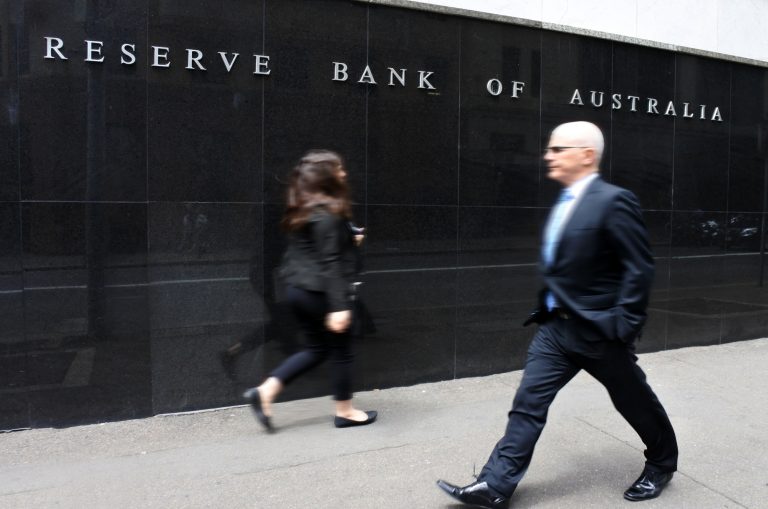
The Reserve Bank of Australia raised the cash rate twice in quick succession — from 3.60% to 3.85% in February, then to 4.10% in March. The February decision was unanimous, driven by inflation data showing price pressures had picked up materially in the second half of 2025.
The March hike came in a split 5-4 decision, with the board acknowledging the Iran conflict added significant upside risk to inflation through higher energy costs. RBA Governor Michele Bullock made clear the board’s priority is getting inflation back to target, even if that means economic pain in the near term.
Markets now expect at least one more increase at the May meeting, which would bring the cash rate to 4.35% — matching the previous cycle’s peak – with some banks predicting a second rise later in the year. For mortgage holders, the twin hikes have already added roughly $150 per month to repayments on a $500,000 loan and squeezing household budgets even more.
Inflation: Stubborn and Broadening
Inflation moderated slightly to 3.7% in February from 3.8% in January, but remained stubbornly above the RBA’s 2-3% target range. Trimmed mean inflation — the RBA’s preferred measure — held at 3.3%, unchanged from January.
Housing costs drove much of the increase, rising 7.2% annually. Electricity prices surged 37% as government rebates expired. Food inflation remained elevated at 3.1%, with beef and lamb prices up 13%. Prior to the Iran war, automotive fuel prices had been falling — down 7.2% year-on-year by February — providing some relief. However, that trend reversed sharply in March as oil prices spiked.
Inflation expectations also jumped, with the ANZ-Roy Morgan measure surging from 5.3% in February to 6.9% in mid-March — the highest on record — reflecting household concerns about energy-driven price pressures.
Oil Prices: From Relief to Crisis
The quarter began with oil prices providing welcome relief. Brent crude traded in the US$57-60 range through January and early February as global markets remained oversupplied. Australian petrol prices averaged around $1.80 per litre — down from $1.867 cents in September — easing cost-of-living pressures.
That changed dramatically after 28 February. Within days, Brent crude jumped above US$80, then surged past US$100 on 8 March for the first time in four years. Prices peaked at US$126 mid-quarter before settling around US$103-110 as strategic reserve releases took effect. Australian petrol prices followed suit, climbing sharply through March and threatening to push inflation significantly higher.
Cost of Living: Pressures Mount
The combination of higher interest rates, elevated inflation, and surging energy costs created a perfect storm for household budgets. The February rate hike alone added $75 monthly to a typical $500,000 mortgage, with March’s increase adding another $75 on top.
Electricity costs continued climbing as rebates expired, while food prices remained stubbornly high. The brief reprieve from falling fuel prices early in the quarter quickly evaporated. Consumer confidence, which had surged in late 2025, began softening as households absorbed the reality of a higher-for-longer interest rate environment.
Equity Market Performance
The ASX 200 started the year at 8,714 points and traded in a relatively narrow range through the quarter despite global volatility. The index benefited from strong materials sector performance as commodity prices held firm, with gold remaining near US$5,300 per ounce. However, the financials sector — which represents one-third of the index — faced headwinds as investors worried about higher rates impacting mortgage arrears.
Healthcare and information technology sectors struggled, as fears of an AI-stock bubble caused a sell off across the IT sector – causing both indexes to trade lower for the quarter. Overall, the ASX 200 remained range-bound between 8,400 and 9,200 points, reflecting investor caution about the unfolding geopolitical crisis and domestic inflation outlook.
Looking Ahead
The second quarter begins with extraordinary uncertainty. The duration and ultimate resolution of the Iran conflict will largely determine whether oil prices stabilise or spike higher. If the Strait of Hormuz remains closed past mid-April, energy analysts warn of potential diesel shortages and prices reaching US$170-200 per barrel — a scenario that would trigger a global stagflationary shock – with the only way out of this situation being to forcibly trigger an economic recession.
For Australia, the near-term path is challenging. Another rate rise at the May RBA meeting appears likely unless inflation data shows a dramatic improvement. Household budgets will remain stretched as energy and food costs stay elevated. The labour market remains relatively resilient, but cracks are emerging.
For investors, the takeaway remains unchanged: maintain diversification, focus on quality assets with pricing power, and avoid panic-driven decisions. While the first quarter of 2026 brought significant challenges, economies have weathered similar shocks before. The path forward requires patience, prudent risk management, and an eye toward long-term fundamentals rather than short-term headlines.
The information provided in this article is general in nature only and does not constitute personal financial advice.