

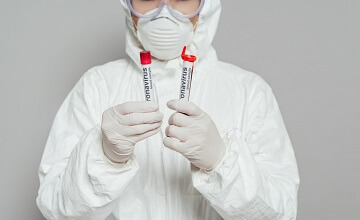
The true cost of a pandemic
Recent events such as the coronavirus outbreak, bushfires across Australia and the drought highlight the far-reaching effects of an epidemic. Following the initial devastation of these events, the true cost of an epidemic takes time to filter through the economy. In this article, we’re taking a look at the economic impacts that epidemics and pandemics have on a local, regional and global scale.
How do epidemics and pandemics affect industries?
The biggest impact on many industries in an epidemic or pandemic is supply chain delays. Industries rely on specific regions to source parts and products. Using the coronavirus outbreak and assembly lines for technology products, as an example, people in assembly lines typically work in close quarters. To contain the outbreak, factories in China have delayed restarting production after the Lunar New Year break. One smartphone factory, Foxconn, is expecting a 12% decrease in production as a result.
Tourism is another key industry effected by epidemics and pandemics. In Australia, measures to contain coronavirus, including halting incoming flights from China will have significant impacts on the tourism and education industries.
How are individual businesses effected by epidemics and pandemics?
Businesses within the sectors most impacted by epidemics and pandemics experience the effects of an outbreak first. In Australia, for example, travel booking company Webjet experienced a 10% slump in its share price in late-January following the coronavirus outbreak. Other companies such as JB Hi-Fi and Harvey Norman have said their supply of electronics could be disrupted.
Small and medium businesses can often be the hardest hit. Businesses such as restaurants and retailers in tourist hotspots and tourism services companies will be among the hardest hit in Australia over the coming months.
How long does it take for markets to recover after an epidemic?
Market recovery following an epidemic is dependent on a range of factors. Following the SARS outbreak, for example, the Chinese Government deployed fiscal stimulus to aid in economic recovery. At the time of the SARS outbreak (first quarter of 2003), China’s economic growth was 11.1%. By the second quarter, the country’s economic growth fell to 9.1%. As the outbreak was contained, and fiscal stimulus was deployed, China’s economic growth recovered to 10% by the third quarter of 2003. Looking at other markets, the S&P500 posted a gain of 14.59% following the first confirmed case of SARS. The index posted a gain of 20.76% a year after the outbreak.
How will an epidemic or pandemic impact my investments?
The economy has changed since the SARS outbreak. China is now a much larger part of the global economy, accounting for around 17% of global GDP, compared to 4% in 2003, so the economic impacts of coronavirus may be more pronounced. The best thing investors can do right now is exercise caution, but don’t panic. Often market corrections provide investors an opportunity to invest into the market at discount prices. To discuss how your investments may be impacted by coronavirus speak to us today.
This is general information only